
The Long Silence in Germany
The Disappearance of Josef MengeleThis flow traces postwar German reintegration, delayed accountability, and the eventual public exposure of the support that kept Josef Mengele hidden.
increasing Bearing strength in each event
 decreasing
Bearing strength in each eventdecreasingReintegration Begins
Reintegration Begins
New priorities
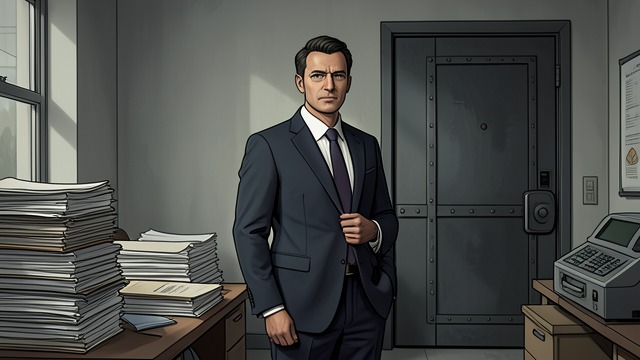
The Cold War encouraged the rehabilitation of former officials and professionals in West Germany. Public institutions and businesses increasingly treated past involvement as an inconvenience.
A fugitive’s advantage
Josef Mengele’s family expected that time and political realignment would reduce the danger. The same atmosphere that restored careers also made it easier for him to obtain documents.
An Official Identity
An Official Identity
Consular processing
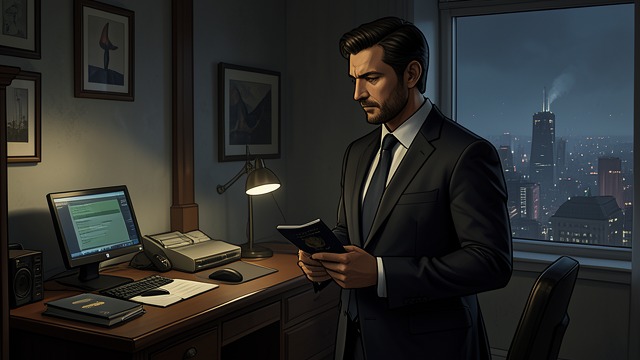
Josef Mengele disclosed information sufficient to obtain a birth certificate and German passport in Argentina. Officials did not seriously cross-check the available records of war criminals.
Bureaucratic complicity
The documents made his business and family life easier. Administrative normality did not erase his past; it gave a wanted man the appearance of a legitimate citizen.
A Slow Extradition Process

A Slow Extradition Process
Requests without urgency
German authorities sought Josef Mengele’s extradition, but procedural delays and diplomatic hesitation slowed the effort. Paraguay’s government used sovereignty and citizenship as barriers.
A protected fugitive
Investigators lacked reliable access to the networks sheltering him. Formal legal action existed, yet the surrounding political system did not consistently turn it into an effective search.
The Family’s Denials

The Family’s Denials
Maintaining distance
Family associates denied contact with Josef Mengele while continuing to assist him materially. Their denials protected both the fugitive and a prominent industrial business.
Silence as strategy
The arrangement relied on loyalty, coded communications, and shared fear of scandal. It was not merely a personal secret: it preserved a public image built on respectability.
The Cover Collapses
The Cover Collapses
Evidence emerges
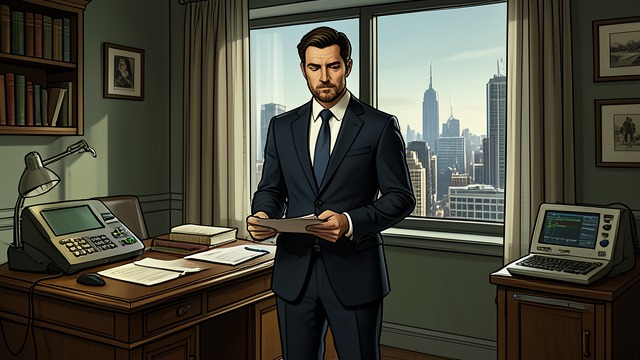
A search of Hans Sedlmeier’s home revealed correspondence and routes to the Brazilian protectors. Their evidence established that the public manhunt had continued long after Josef Mengele died.
Reputational consequences
The family’s support became a public story, damaging its company and undermining decades of denial. Legal accountability remained limited, but the historical record changed.
late 1940s
1956
1959 to 1964
1971 to 1984
June 1985
